History of Kava
Throughout the Pacific Islands, which figure so prominently in romantic literature, it is nearly impossible to discuss the history of their various cultures without speaking of the mysterious, cultivated shrub known as kava. Sometimes called kava kava, keu, awa, ava and yogana, kava produces a slightly bitter, slightly frothy, aromatic, resinous brew capable of inducing tranquility and an ultimate sense of well-being.
In more traditional, tribal cultures, children are given the task of chewing the roots and lower stems (lateral roots and rhizomes) of the plant to produce the brew made from kava. The mouths of children are generally more disease free than those of adults, and their teeth are stronger as well, so they make ideal candidates for chewing the root. As they gnaw away on a mouthful, they spit the extraction into a large wooden bowl. The alkaline saliva of the mouth with its salivary enzymes promotes the extraction of the active ingredients marindin and dihydromethylsticin.
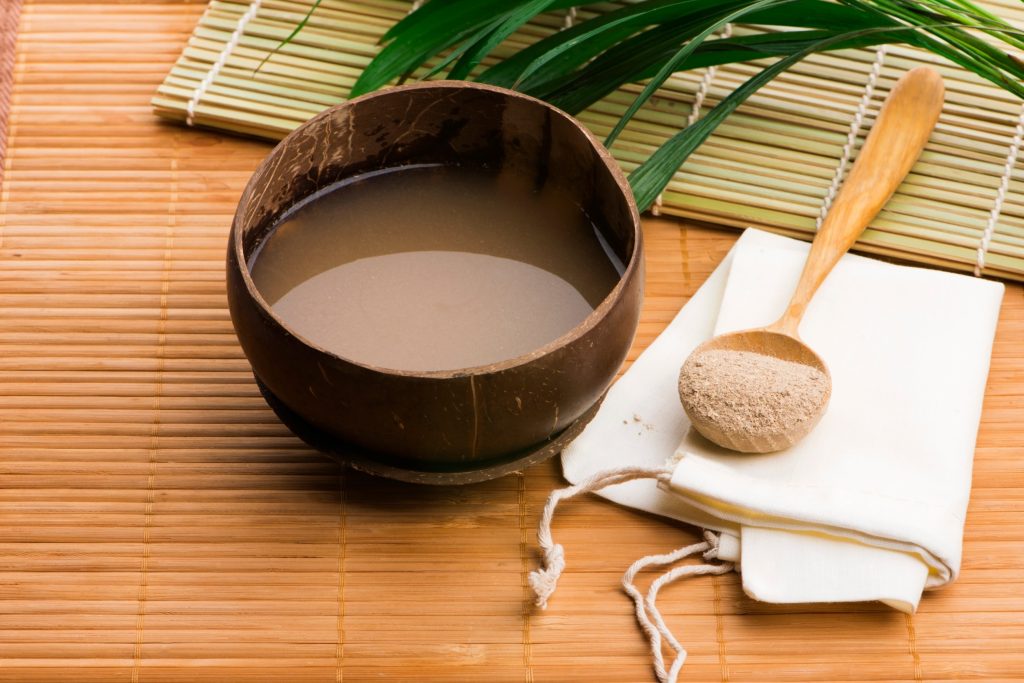
Then, the kava root mixture is diluted by the addition of water, and the mixture is strained into coconut bowls. One half of such a bowl is enough to induce a state of well-being and a slight mental inactivity which leads to tranquility lasting several hours. Such contentment seems to bring no cessation of reason, and active discussions occupy the participants.
Oceanic cultures vary in the importance they attach to the use of kava. In Manua legend states that kava was first given by the Sun God to Tagaloa Ui, the first high chief of the Samoans. The legend begins with the sacrifice to the sun of a young virgin, Fituita, at the place where the sun rises. Her fate was to be the virgin devoured by the sun.
However, one year a girl by the name of Ui was offered, and so great was her beauty that the sun god took her to be his bride. When she became pregnant by this solar deity and wished to return for a visit with her people to give birth she was sent flying through the sky at a tremendous speed. As a result, she miscarried, and her baby was flung into the ocean.
All was not lost, as the legend goes, for a hermit crab found it tended to the infant, along with a plover and a shrike. The boy grew under the guidance of this unlikely trio into Tagaloa Ui. It was he who taught mortals how to make kava, as well as the reverential ceremony that surrounds its use.
Pava, the first mortal to participate in the ceremony, had a son who laughed at the antics of his father as he attempted to prepare this brew for Tagaloa Ui. In God-like wrath, Tagaloa Ui cut the son into two pieces to the dismay of Pava, and then proceeded to instruct Pava in the correct manner of preparing kava. After a wooden bowl was filled with kava, Pava offered it to Tagaloa Ui, who did not drink it, but poured it on half of Pava’s dead son and uttered “soifua”, or life. At this pronouncement the boy was made whole again and Pava clapped his hands in joy.
With the admonition that kava pertains to high chiefs and is sacred, Tagaloa Ui took his leave. Rituals since that day involve the pronouncement and clapping of hands.
The essence of many myths in diverse areas of the world also include references to this psychoactive plant. This ritual use of kava remains most intact today in Samoa. and throughout all of Oceania. Throughout the oceanic area, in general, kava bars are not uncommon and are becoming the coffeehouses of this great area.
It’s important to note that although we cite Samoan myths regarding Kava, it is widely accepted that Vanuatu is the true origin of kava. It’s interesting to read the theories and wonder.
FAQs
Where Kava Originated
The bottom line is that anyone who claims to know where Kava first appeared or where it truly comes from: They’re only speculating. The kava found in Fiji and Polynesia are most-likely plants that had its origins in Vanuatu, which reflects that of Firth’s records as well. More recent research also tried to narrow the origin of kava even more, and has suggested northern Vanuatu, possibly Maewo island as the true “root” of kava kava.
Is Kava Legal in the U.S.?
Yes!
Is Kava Safe?
Kava, when prepared or extracted from only the root and used at the appropriate dosage, has been shown to be a very safe substance.
WHAT DOES KAVA DO?
Kava is truly one of the rare gifts from nature. Kava is also a VERY good source of fiber. It’s not called “The Sociability Plant” for nothing! Kava helps to naturally lower inhibitions and helps increase pleasant feelings of well-being. For sufferers of back pain, Kava has been proven to be an effective pain reliever.
Is Kava addictive?
It is completely non-addictive.
Kava Sleep Aids
Kava is a wondrous plant which produces calm and relaxation without side effects. It’s no wonder that kava is many people’s preferred “night cap,” as it can calm you down and prepare you for a night of restful sleep. More and more doctors are even recommending that their patients take daily doses of kava as a mild sleep aid and a natural anxiety reducer. One of the great things about kava use is that it does not lose its potency over time.
Does Kava Work for Anxiety?
Kava can start working for anxiety faster than many prescription anti-anxiety medications, substantially improving anxiety symptoms in as little as a week compared to 4 to 6 weeks of treatment with a prescription anxiolytic.
What is kava root?
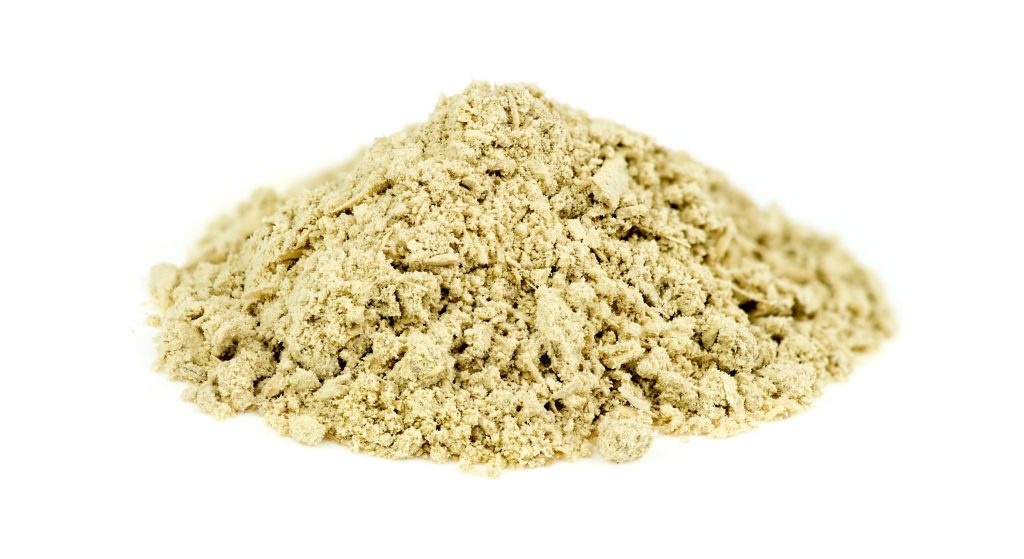
Kava root comes from the kava-kava is a plant that is in the pepper plant family. It originates from the South Pacific Islands. Kava root is harvested, dried and ground into a powder that is used to make a kava root tea.
Kava is all natural and has been a popular drink throughout Polynesia and Melanesia for centuries. It is gaining popularity in the US as an all natural way to ease stress and wind down at the end of the day. In the South Pacific, drinking kava is an integral part of traditional religious and cultural ceremonies and important village social occasions. Historically kava was also prepared and drank for medicinal purposes.
What does kava do?
The Latin name for the kava kava plant is Piper Methysticum which translates as intoxicating pepper. The active ingredients in kava, known as kavalactones, interact with the limbic system of the brain. This includes the amygdala, the part of the limbic system that regulates emotions. As a result, Kava is well known to have a relaxing effect on the mind and body.
How do you make kava tea?
Traditionally, you prepare a drink of kava like you might brew a tea. Add the kava root powder to a straining bag, for example, a muslin cloth. It doesn’t matter what kind of straining bag you use. Sometimes even women’s panty hose are used as straining bags. Then steep the bag in warm water to begin a kava tea brew. The difference between kava root tea and regular tea is the kneading required to extract the good stuff from the root; the bag is kneaded in the water. This releases the active ingredients and turns the water a muddy brown color. Kava doesn’t look, or even taste good – but it feels good!
Continue the kneading process until the tea is brewed. The surface of the water will be slightly shining. And all that is left in the straining bag are the coarse fibers of the root. These are either discarded or set aside for a subsequent rinsing and kneading, (a second wash), to create a weaker second brew.
How does kava make you feel?
When you drink a good quality, potent kava the first thing you feel is your lips and mouth going slightly numb. This is normal. One of the active ingredients in kava has analgesic effects. The numbing is a sign you are drinking a good kava.
When you drink kava you are likely to feel calm and content, a greater sense of wellbeing, happier and perhaps even euphoric. Any feelings of fear, worry, or stress will diminish. Any troublesome thoughts racing through your mind will slow down. Your muscles will start to relax, your body will start to feel heavy and eventually you may start to feel sleepy.
How kava makes you feel will also depend greatly on the variety, quality and type of kava you drink. Higher quality, fresher kava is more potent. The effects of drinking kava tea are also determined by the variety of kava and its’ mix of kavalactones or active ingredients. The mix of kavalactones is identified by a chemotype that given to each kava variety.
How long does kava take to kick-in?
You’ll generally start to feel it kick in 5-15 minutes after drinking a shell of kava root tea. The first sensation you’ll feel is a numbing of the lips, tongue and mouth. You can then expect to start feeling the mental and physical relaxation soon after that. It is recommended that you drink kava on an empty stomach to ensure you feel its effects. If you drink kava on a full stomach, the effects may not kick-in.
There are other reasons the effects of kava may not kick-in when you first start to drink it. Kava works with your body to produce its effects and sometimes that means your body will take time to adjust to receiving the active ingredients in the kava before it responds. In this instance, you may not feel the effects of kava until you’ve been drinking kava for a few days or even weeks consecutively. This is known as Reverse Tolerance.
How long do the effects of kava last?
How long the effects of kava root tea last depends on the variety of kava. A good heady kava variety should uplift your mood and make you feel happier within 30 minutes. The euphoric and uplifting effects of a good quality kava may last for anywhere between 1-3 hours while the stress relieving and relaxing effects may linger even longer.
Heavier varieties of kava have more prolonged effects. After a few hours you may start to feel sleepy as your muscles relax and your body starts to feel heavy.
How long the effects of kava last will also depend on how many kava drinks you have. You can have more than one serving size in a kava drinking session.
Is kava legal in the U.S?
Yes, kava is legal in the U.S and in most countries around the world. Kava is classified as an Herbal Supplement. Kava (Awa) is also an important part of Hawaiian culture and has been consumed for centuries by numerous South Pacific islanders including Hawaiians. Kava is drunk on ceremonial and social occasions and for medicinal purposes too.
Is kava root safe?
Kava, if consumed correctly, is very safe.